ORAL SURGERY
Wisdom Teeth
Wisdom teeth are the third and final set of molars that usually appear during the late teenage years or early twenties. While some people have enough room in their jaw for these teeth to erupt normally, many experience problems due to limited space.
When wisdom teeth become impacted, they may grow at an angle, remain trapped beneath the gums, or only partially erupt. This can lead to pain, swelling, infection, crowding, and damage to neighboring teeth or jaw structures. Because impacted wisdom teeth are difficult to clean, bacteria and food debris can easily accumulate, increasing the risk of tooth decay and gum disease.
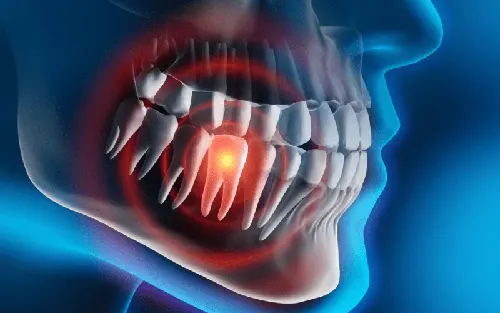
Routine dental exams and X-rays allow our team to monitor wisdom teeth development and determine whether removal is recommended before complications occur.
Wisdom Tooth Extraction
Wisdom tooth extraction is a common oral surgery procedure used to remove one or more impacted or problematic third molars. Extraction may be recommended to relieve pain, prevent infection, reduce crowding, or protect surrounding teeth.
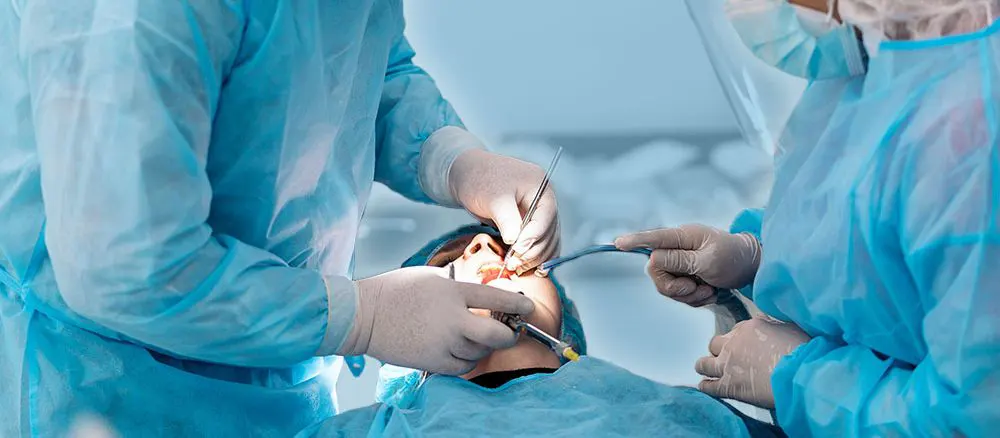
The procedure is typically completed in about one hour and is performed under local anesthesia, sedation, or general anesthesia for maximum comfort. During surgery, small incisions may be made to safely access and remove the teeth.
Most patients recover within one to two weeks, with swelling and discomfort improving significantly within the first few days. Following all post-operative instructions carefully will help ensure proper healing and minimize the risk of complications.
Exposure of Impacted Canine Surgery
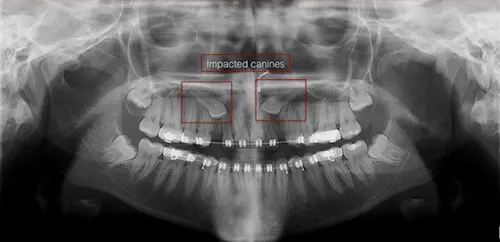
An impacted tooth is a tooth that cannot properly erupt into its normal position. The upper canine teeth, also known as cuspids or eyeteeth, are among the most commonly impacted teeth after wisdom teeth.
Early diagnosis is essential for successful treatment. Impacted canine exposure is a minor oral surgical procedure designed to uncover the impacted tooth and guide it into alignment.
During the procedure, the overlying gum tissue and bone are carefully removed to expose the tooth. An orthodontic bracket and small gold chain are then attached to the impacted canine, allowing the orthodontist to gradually guide the tooth into its proper position.
This treatment helps prevent overcrowding, damage to adjacent tooth roots, and, in rare cases, cyst formation.
Bone Grafting, Ridge Preservation & Ridge Augmentation
Bone grafting is a surgical procedure used to rebuild and restore areas of bone loss in the jaw. Healthy bone material is placed in deficient areas to support future dental implants, dentures, or overall oral health.
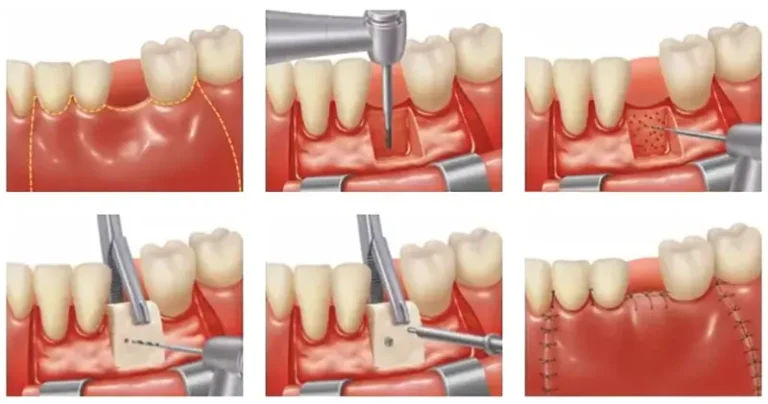
Bone grafting materials may include:
- Synthetic bone material
- Bone from another area of the patient’s mouth
- Donor bone from human or animal sources
All grafting materials are thoroughly processed and sterilized to ensure safety and effectiveness.
Ridge Preservation
Ridge preservation is commonly performed immediately after a tooth extraction. Bone graft material is placed into the extraction site to preserve the natural shape and volume of the jawbone and gums, helping prevent bone shrinkage over time.
Ridge Augmentation
Ridge augmentation is a bone grafting procedure used to increase bone width or height in areas where bone loss has occurred. This procedure is often necessary before dental implant placement to ensure a stable and long-lasting result.
Sinus Augmentation
When upper back teeth are lost, the sinus cavity can gradually expand into the area where bone once existed. In some cases, there may not be enough bone height available for secure dental implant placement.
Sinus augmentation, also known as a sinus lift, is a procedure that raises the sinus floor and adds bone graft material to create sufficient bone support for dental implants.
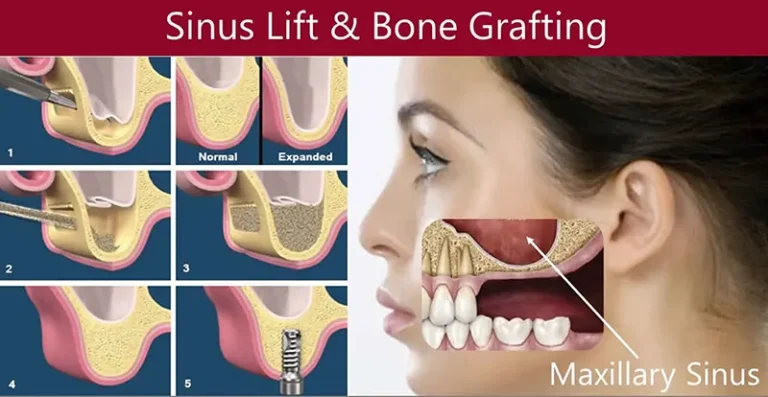
Different grafting materials may be used to encourage new bone growth and stabilize future implants. In certain situations, a less invasive technique can be performed by gently lifting the sinus floor and placing graft material beneath it.
Sinus augmentation procedures are highly successful, with studies showing success rates exceeding 95%. After a healing period of approximately 6–10 months, dental implants can typically be placed with predictable and long-lasting results.
If additional bone growth is needed, further grafting procedures may be performed to achieve optimal implant support.
Platelet Rich Plasma (PRP)
Platelet Rich Plasma (PRP) therapy uses the patient’s own blood components to accelerate healing and promote tissue regeneration after oral surgery.
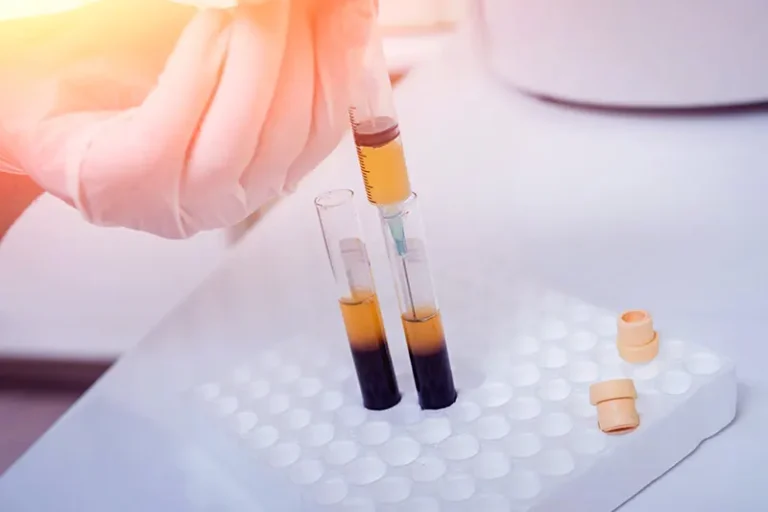
PRP contains concentrated platelets, plasma proteins, and white blood cells that support faster healing and improved tissue repair. These natural healing factors are commonly used in various medical and dental surgical procedures.
At our office, PRP is routinely used in oral surgeries involving both hard and soft tissues to enhance recovery and improve treatment outcomes. The PRP preparation process is quick, safe, and completed in-office within minutes.
PRP therapy is especially beneficial for patients who may have experienced healing complications in the past, providing additional support for successful recovery after surgery.